







































How these guides are written
Every guide is written by the person on our desk who covers that subject — security, regulation, DeFi, markets or on-chain data — and carries their byline and the date it was last reviewed. The team page lists who covers what.
The guides deliberately stop short of telling you what to buy. They explain a mechanism, show where it fails, and then link to the relevant rating if a comparison of specific services is useful. Those ratings are scored against a published rubric, set out in our methodology, and the editorial policy covers corrections and commercial disclosure. Keeping the explanation and the recommendation in separate places is the point: you should be able to understand staking without being sold a validator.
What the guides cover
Custody and security. What a wallet actually stores, how to back up a recovery phrase so it survives fire and forgetfulness, and the scams that take the most money from ordinary users. Devices are compared in the hardware wallet ratings.
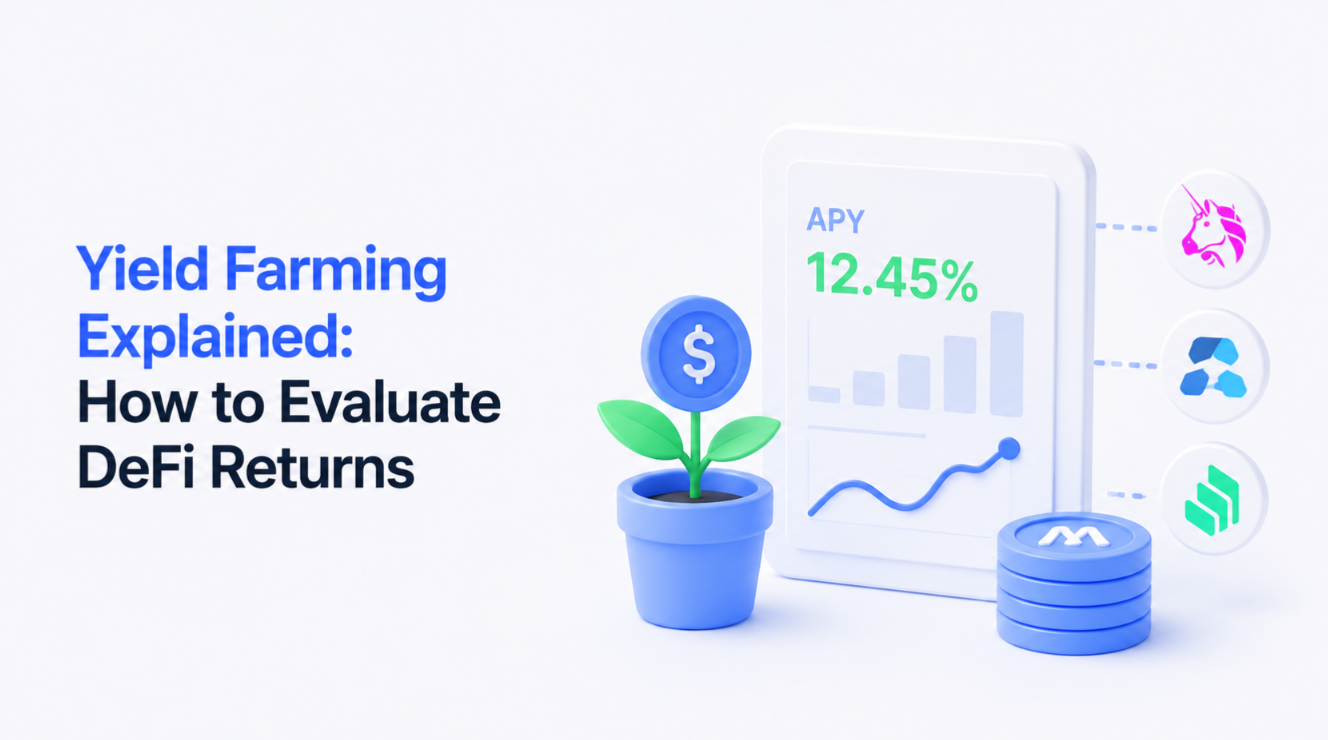
DeFi mechanics. What DeFi is, how automated market makers price a trade, impermanent loss, and how to tell real yield from token emissions. The protocols themselves sit under DeFi protocols and lending.
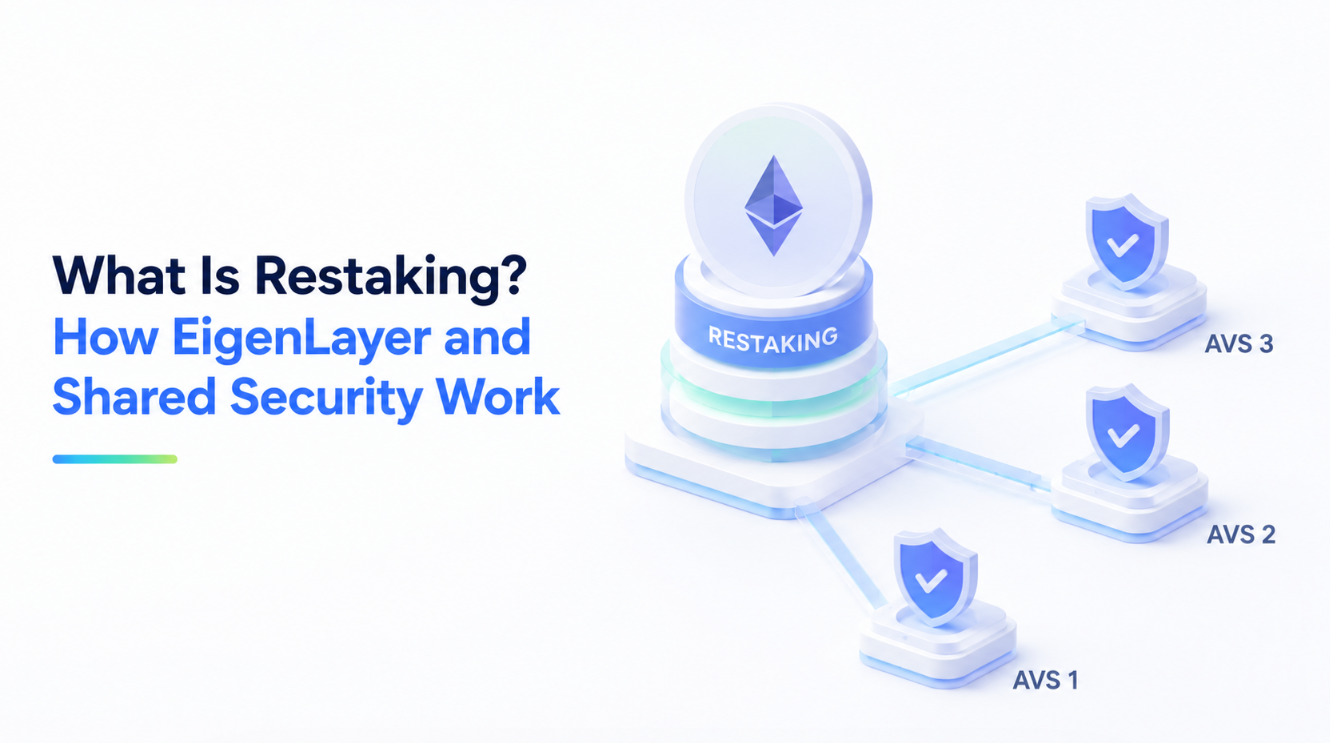
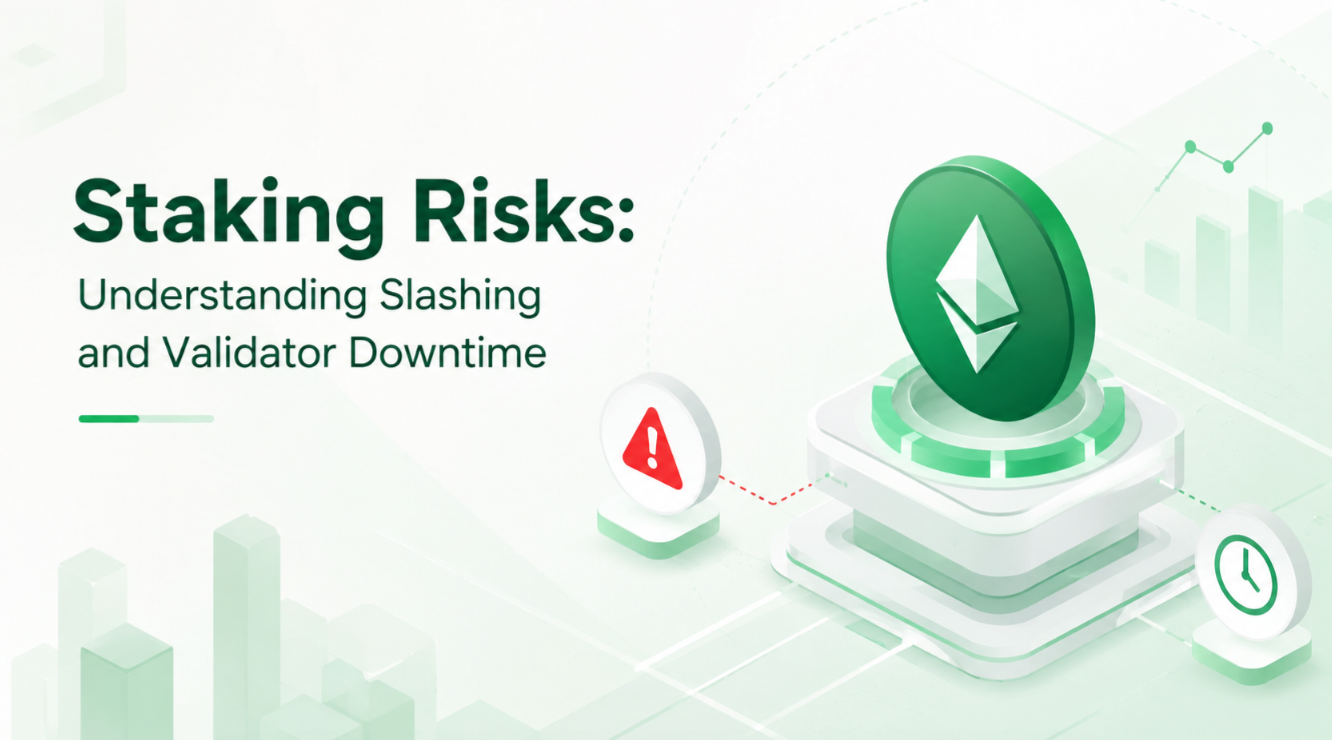
Staking and yield. How staking works, liquid staking, slashing and downtime, and what restaking adds to the risk. Providers are ranked under staking and liquid staking.
Markets and infrastructure. DEX versus CEX, order types, MEV, layer 2s, oracles and cross-chain bridges. Live prices are on the market pages.
Tax and record-keeping. The taxable events new holders miss, and how cost basis methods change the bill. These are general explanations of how the rules work, not advice on your position.