Native Staking vs Liquid Staking: Which Costs You More
The fee comparison everyone quotes is the wrong one. What separates these two is what you give up, and the answer changes with how much you stake.
Dario FennDeFi & Markets Lead · DeFi protocols, yield, market structure and on-chain dataUpdated 25 August 2026
The short answer
Liquid staking typically takes about 10% of rewards and gives you a tradable token; native staking through a professional operator takes 5–10% but locks the position until the exit queue clears; running your own validator costs a flat fee instead of a percentage, which wins above roughly two validators' worth of stake. Exchange staking, at 15–35%, is the expensive option in every case.
Comparing staking routes by headline fee produces the wrong answer, because the routes are not selling the same thing. One sells convenience and liquidity, one sells a lower take rate, and one sells control at the price of operational work. Here is what each actually costs at realistic sizes.
The four routes
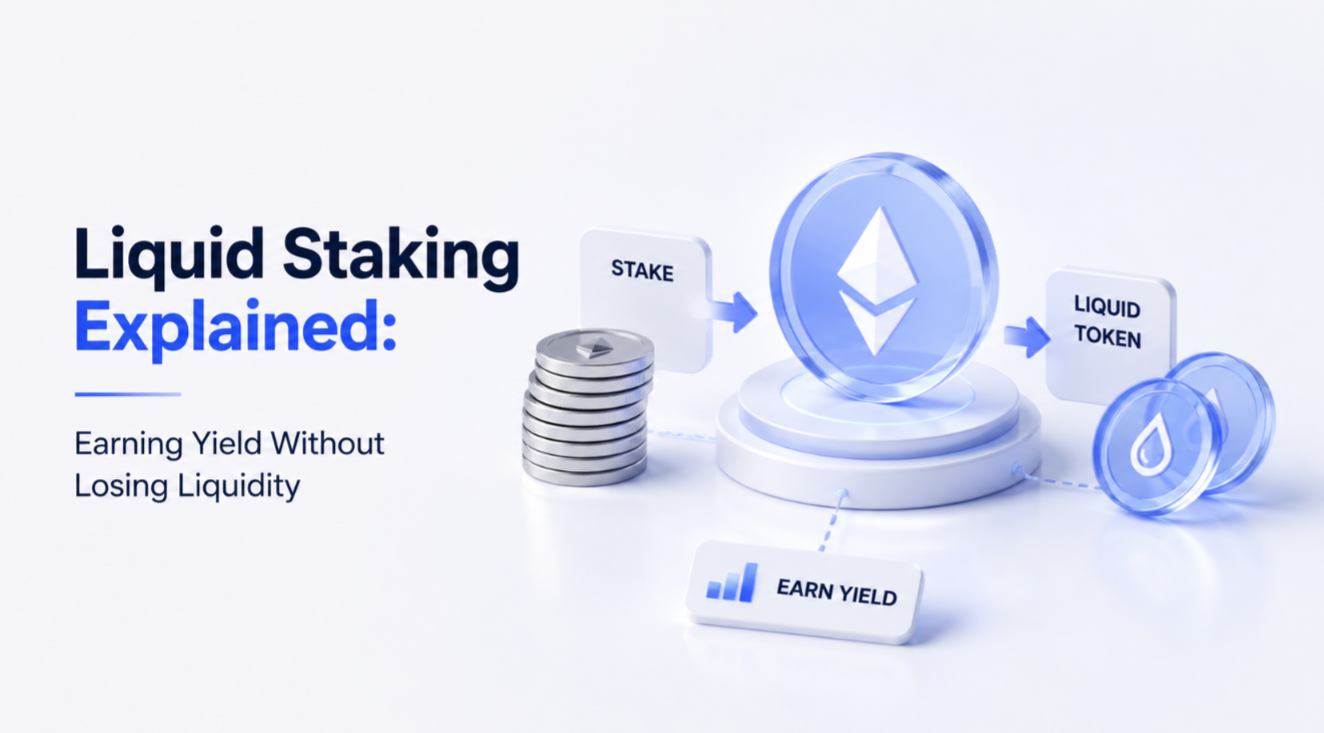
**Liquid staking** issues you a token — stETH, rETH, JitoSOL — representing your staked position plus accrued rewards. The protocol takes a cut, typically 10%, and you keep something you can sell or use as collateral.
**Delegated or managed staking** through a professional operator leaves your position illiquid until you exit, in exchange for a commission usually between 5% and 10%. On Cosmos-style chains your coins never move; on Ethereum, the arrangement should be non-custodial, with withdrawal credentials staying yours.
**Solo staking**, or non-custodial node hosting, replaces commission with a flat cost — hardware or a monthly hosting fee — and puts operations on you.
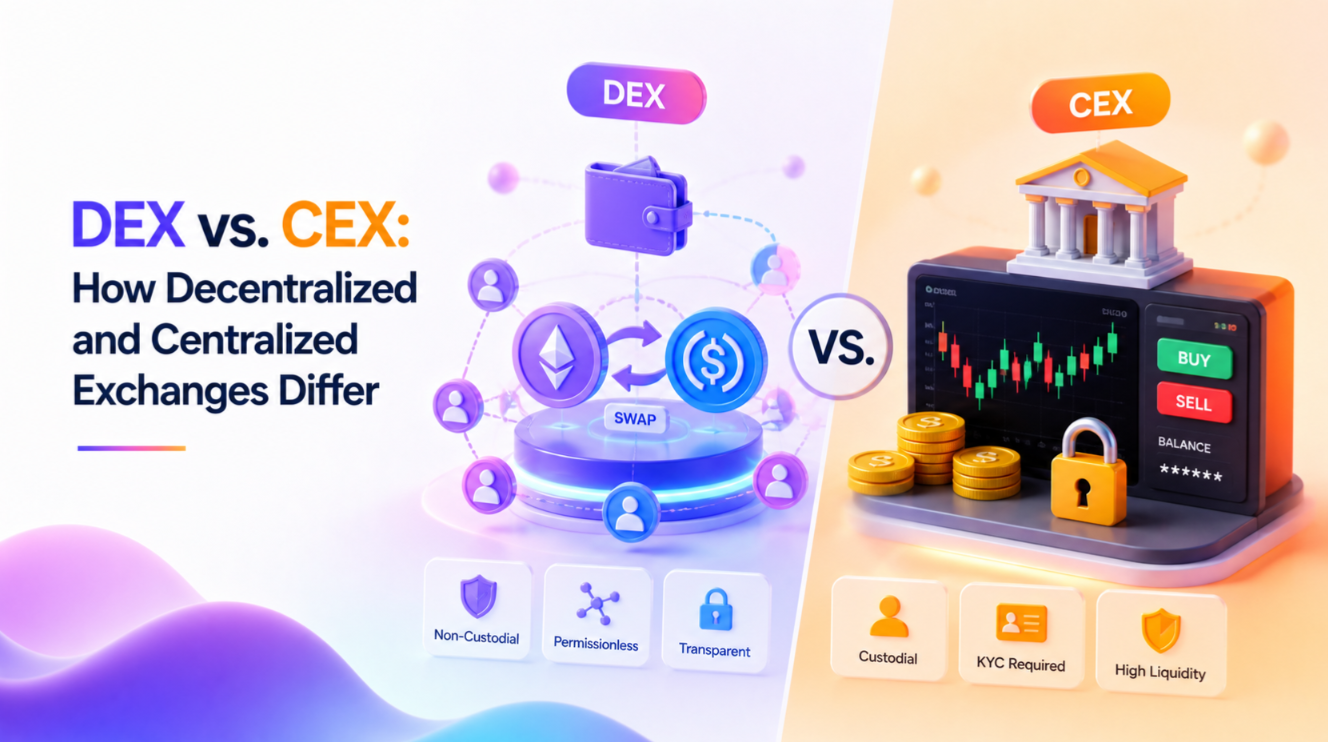
**Exchange staking** is the one-click option, and takes 15% to 35% of rewards depending on venue and asset.
The arithmetic that actually decides it
Take a nominal 3% network reward on 32 ETH. Liquid staking at a 10% fee leaves 2.7%. A professional operator at 8% leaves 2.76%. Coinbase at 25% leaves 2.25%, and its higher tiers on some assets leave less. Over five years on that stake, the gap between the cheapest and the most expensive route is worth more than most people's annual trading costs.
Flat-fee hosting changes shape rather than size. A monthly node fee is roughly break-even against a 10% commission at one validator, and dramatically cheaper at five, because the cost does not scale with your balance while the commission does. That crossover point is the single most useful number in this comparison, and almost nobody calculates it before choosing.
What liquidity is worth
The reason liquid staking dominates despite a middling fee is that the token keeps working. stETH is accepted as collateral across DeFi lending markets, which means a staked position can also back a loan. If you would otherwise sit on idle ETH, that optionality is worth more than the fee difference.
It is not free. A liquid staking token adds smart-contract risk, governance risk and market risk on top of validator risk, and it trades at a discount whenever exit queues lengthen and leveraged positions unwind at once. Our liquid staking ratings weight peg behaviour and withdrawal design at 20% each for exactly this reason.
What decentralisation is worth
Cheap delegation to an operator that already runs a large share of the network raises correlated-failure risk for you and concentration risk for the chain. Ethereum penalises correlated failures far more heavily than isolated ones, so an operator running diverse clients across regions is buying you tail protection that does not appear in the commission line.
Rocket Pool is the clearest expression of the trade: permissionless bonded operators, a genuinely open set, and a lower net yield than the market leader because more of the reward goes to the people running the validators. Whether that is worth paying for is a judgement about the network, not about your return.
Choosing by size
Under a validator's worth of stake, liquid staking is usually correct: you cannot solo stake, professional minimums may not apply to you, and the token remains usable. Between one and about four validators, compare a flat-fee hosting arrangement against percentage commission — Allnodes-style non-custodial hosting frequently wins on arithmetic alone. Above that, run the numbers seriously and consider splitting across two providers, because operator concentration is a real risk at that size.
In all cases, the exchange option is the expensive one. It costs several times a professional operator, adds custodial risk on top of protocol risk, and the regulatory history of the product is not encouraging — Kraken's US staking programme was closed by settlement in 2023, and positions ended with it.
The tax note nobody reads until later
In most jurisdictions rewards are income when received, at their value on that day, and a later disposal is a separate capital event. Liquid staking tokens complicate this: a value-accruing token like rETH may not produce a receipt event until you sell, while a rebasing token like stETH increases your balance continuously. The treatment differs by country and the difference is material, so decide it before the tax year ends rather than after.
FAQ
Is liquid staking better than native staking?+
It is better if you value liquidity and collateral use, and worse if you want the fewest layers of risk. Liquid staking adds contract, governance and market risk on top of validator risk in exchange for a tradable token.
How much does staking cost?+
Roughly 10% of rewards through a liquid staking protocol, 5–10% through a professional operator, a flat monthly fee for non-custodial node hosting, and 15–35% through an exchange.
At what size should I stop paying commission?+
Flat-fee hosting roughly breaks even against a 10% commission at one validator and wins clearly at several, because hosting costs do not scale with the size of your stake.
Can I lose my stake?+
Slashing can destroy a portion of it, and operational failure costs rewards. Total loss is unlikely on major networks; quiet underperformance against the network average is common and rarely disclosed.
 Dario FennDeFi & Markets Lead · DeFi protocols, yield, market structure and on-chain data